
Community Women Entrepreneurs in Urban Bangladesh: What Continues After the Programme Ends
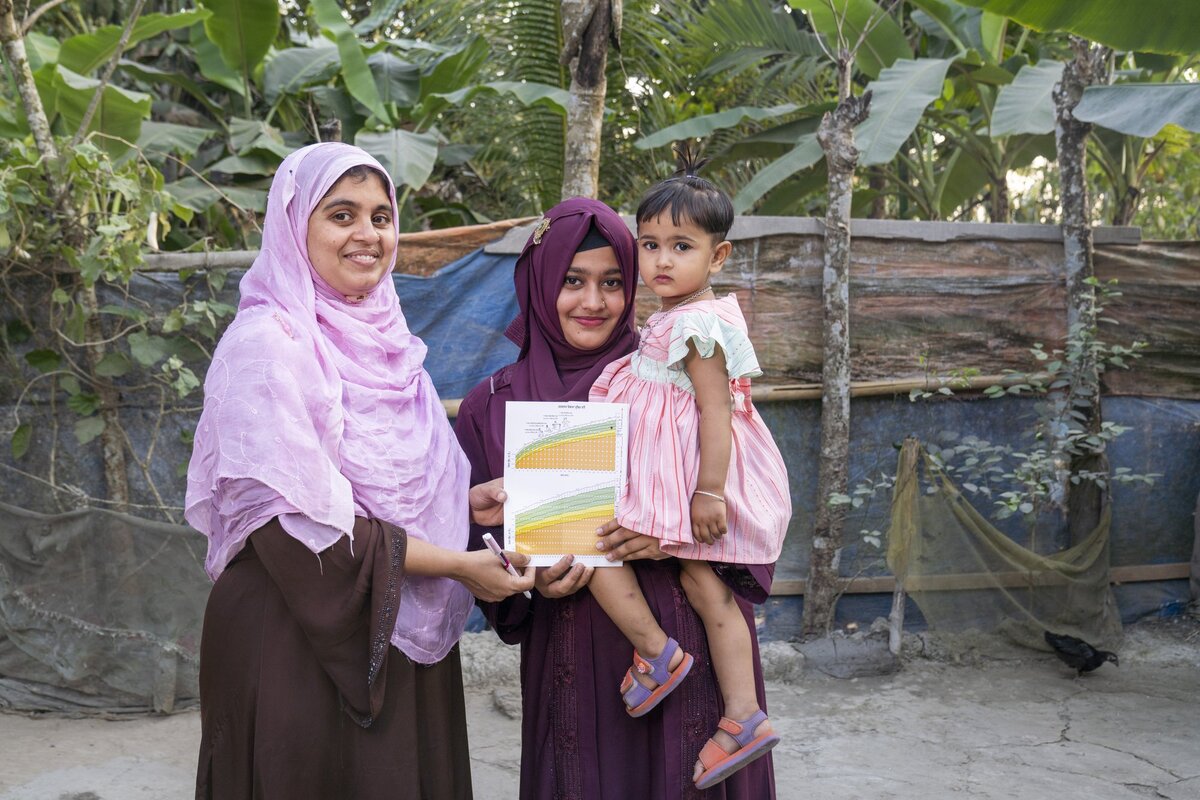
A qualitative study by BRAC James P Grant School of Public Health and Max Foundation looked at the work of entrepreneurs both at active sites of the Healthy Village Urban programme in northern Bangladesh, and at areas the programme had already left. These female micro-entrepreneurs were at the forefront of continuing GMP within their areas and encouraging healthy behaviour practices.
The findings were presented at the International Conference on Public Health (ICOPH) 2026 in Bali, Indonesia, on 7 August.

Improvement in Nutrition Remains a Challenge
The livelihood of communities living in urban, peri-urban and rural Bangladesh is faced with unique constraints which limit their access to geographical mobility, financial flexibility and often access to information. Particularly, communities living on low incomes face persistent child undernutrition, due to limited access to growth monitoring and promotion (GMP) services, distance from health facilities, low awareness of the government services that already exist, and poor household water, sanitation and hygiene (WASH) conditions.
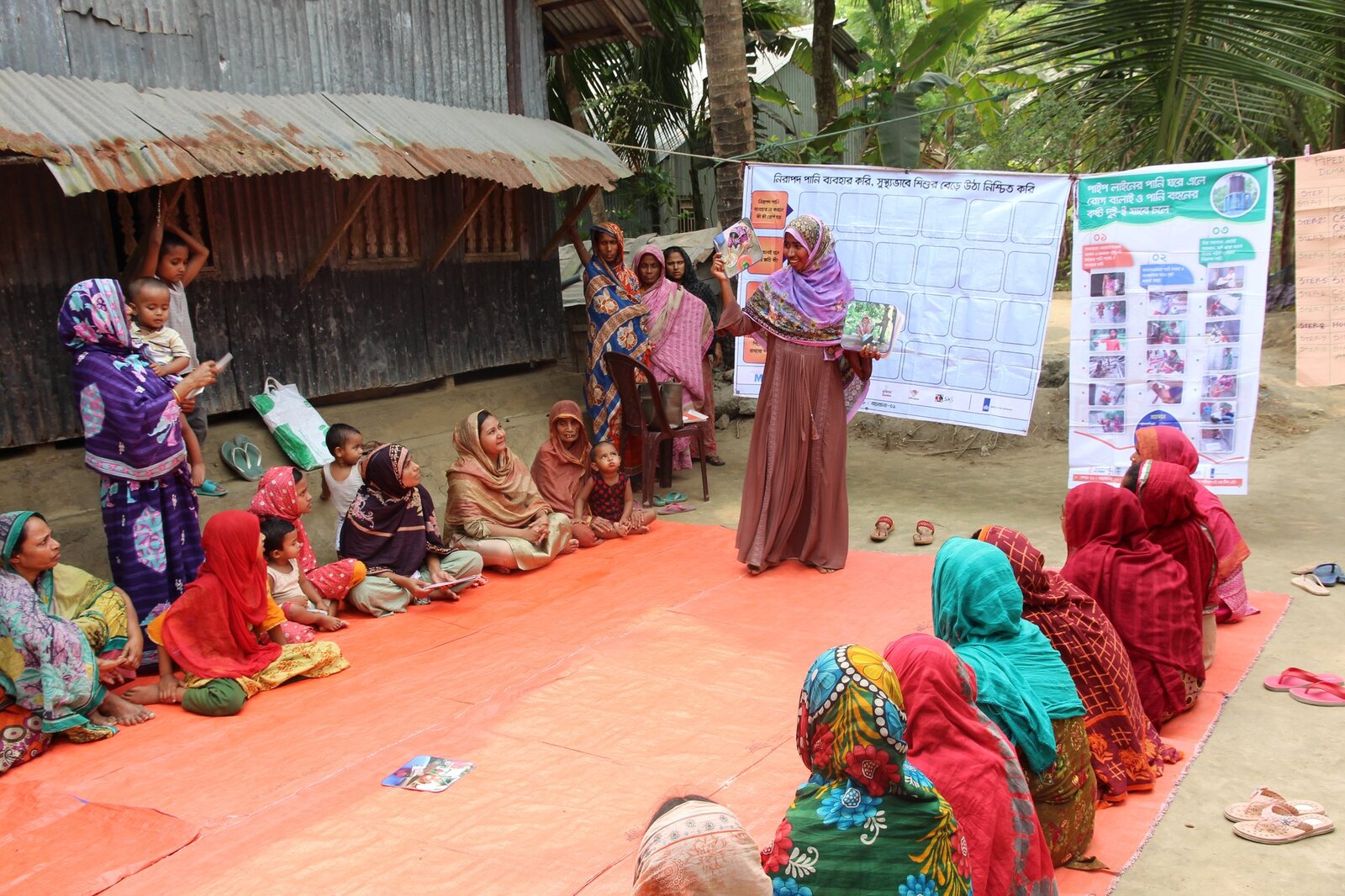
Acting as a system facilitator, Max Foundation has worked over the period of Healthy Village Urban programme to engage female micro-entrepreneurs to work between households and the public health systems: they deliver growth monitoring service, nutrition counselling and referral through monthly courtyard sessions and home visits. During GMP, they ensure that children identified with moderate or severe acute malnutrition are referred on to government Community Clinics, so screening at community level feeds into the public primary healthcare system rather than running alongside it.
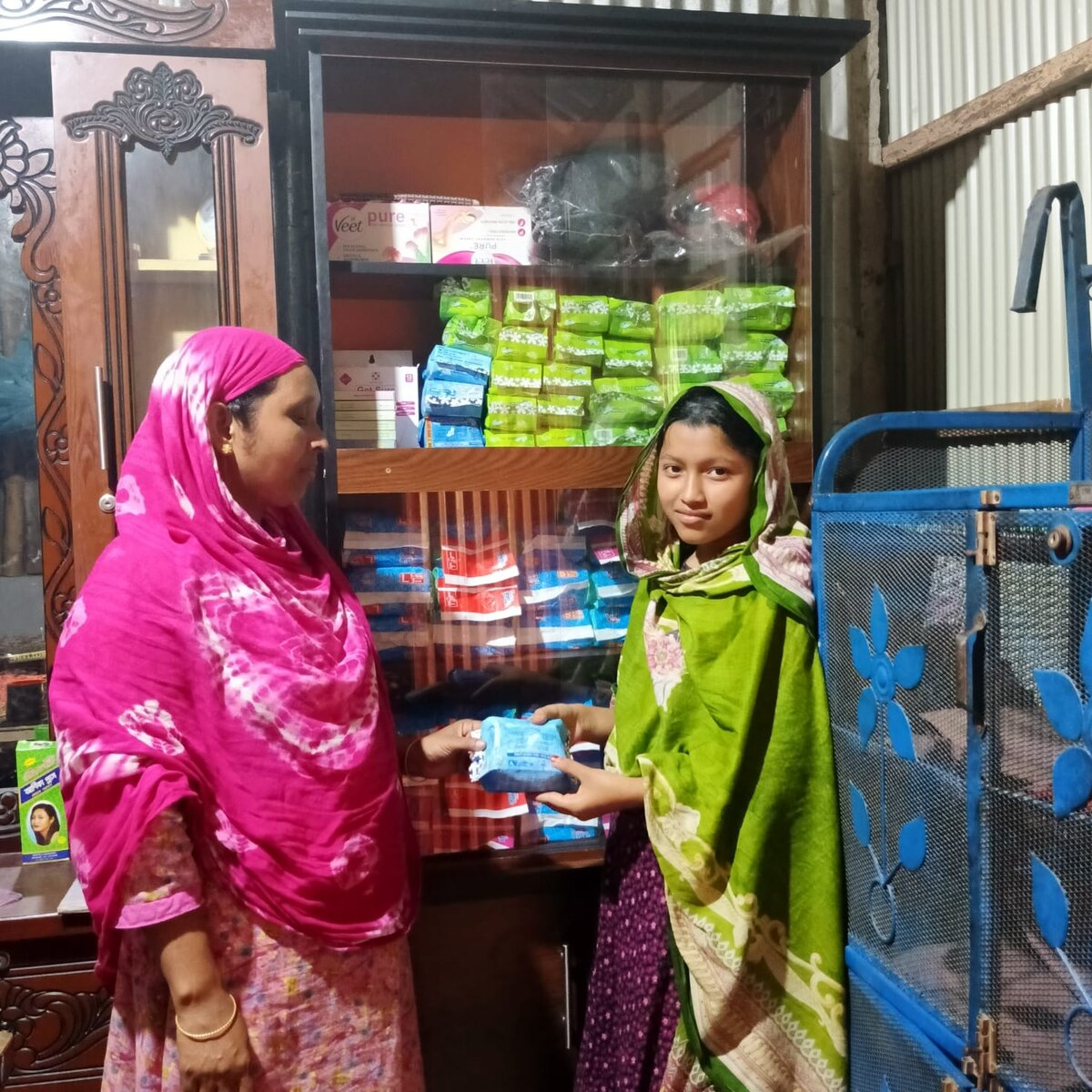
These women, along with providing supplementary health services also run their own businesses, linking households to health, hygiene and nutrition-related products through local procurement and private-sector supply. As providers of important health projects within the community itself, they become actors who shorten the distance between a household and the products that make hygiene and feeding practice possible.
How Do Entrepreneurs Work in the Field?
Through a scientific approach of qualitative in-depth interviews, focus group discussions, field observations and document review across four programme sites in northern Bangladesh a team of researchers engaged in a deep dive regarding the works done by our entrepreneurs in the Healthy Village Urban Programme and beyond. The team was led by Max Foundation's Country Director for Bangladesh Dr. ATM Tariqul Islam, and Programme Manager Dr. Mithun Gupta along with researchers from BRAC James P Grant School of Public Health: Santhia Ireen, Fabi S Huda and Professor Kaosar Afsana.
Through an intensive field exploration, the team studied how the Healthy Village Urban Programme (HVUP) shapes health and nutrition service delivery, community practices and inclusion in Bangladesh's urban areas through the work of entrepreneurs in the community.
The findings covered a wide range of impacts that residents in the community felt had changed since these entrepreneurs started contributing. In summary, we found that:
| Finding | What the evidence showed |
|---|---|
| Services moved closer to households | Community health workers and entrepreneurs brought growth monitoring and promotion within reach of households through monthly courtyard sessions, home visits and nutrition counselling. Referral of children with moderate and severe acute malnutrition connected community-level screening to the government primary healthcare system rather than to a parallel one. |
| Feeding knowledge strengthened; practice less so | Knowledge of infant and young child feeding (IYCF) improved through repeated counselling, visual materials, cooking demonstrations and home follow-up. Repetition from a known and trusted community source is what distinguished the approach. Knowledge gains did not consistently become changed feeding and hygiene practice — a constraint rooted in gender and family dynamics rather than in awareness. |
| Early signs of local continuity | In some areas where the programme had been phased out, the entrepreneurs continued measuring children independently and charged a small fee, allowing the service to continue without programme support. Local procurement and private-sector links kept hygiene and nutrition-related products available in hard-to-reach peri-urban areas. A modest fee-based model suggests demand persists at community level. |
What constrained continuity
Despite the successes seen, there are some constraints remaining due to disrupted service delivery such as:
| Constraint | What it looked like |
|---|---|
| Variation in motivation | Commitment differed markedly between women entrepreneurs. |
| Household care duties | Unpaid care work limited the time available for the role. |
| Low male involvement | Feeding and hygiene remained framed as women's responsibility. |
| Urban infrastructure | Site conditions constrained both service delivery and product supply. |
| The knowledge–practice gap | Improved knowledge did not consistently change feeding and hygiene practice. |
What it means for primary healthcare
Women-led entrepreneurship can complement government primary healthcare and support continuity of child nutrition services in urban Bangladesh. By delivering growth monitoring at community level and connecting households to services that already exist, these micro-entrepreneurs strengthen primary healthcare for children in urban and peri-urban settings.
Cross-sectoral cooperation through stronger institutional integration and formal links to Community Clinics and urban health governance. Gender-responsive support, which recognises care burdens and engages men in feeding and hygiene rather than leaving both to women.
Presenting at ICOPH put these findings in front of public health researchers and practitioners from across Asia, Africa, Europe and the Americas, in a session on health systems and inclusive policies chaired by Professor Nathanael Sirili of Muhimbili University of Health and Allied Sciences, Tanzania.
This study gives government partners in Bangladesh a specific reason to formalise the link between community entrepreneurs and Community Clinics and gives others working in urban nutrition an honest account of what continued after funding ended and what did not.
We thank the women entrepreneurs, mothers and health workers who took part in this study.
Ireen S, Huda FS, Gupta M, Islam T, Afsana K. Community Women Entrepreneurs for Sustainable Nutrition and Health Services in Urban Bangladesh: Evidence from the Healthy Village Urban Programme. Abstract A67, Technical Session 45 — Health Systems and Inclusive Policies, International Conference on Public Health (ICOPH) 2026, Bali Sunset Road Convention Center, Bali, Indonesia, 7 August 2026.
BRAC James P Grant School of Public Health, BRAC University, Dhaka; Max Foundation, Dhaka.
Related Stories
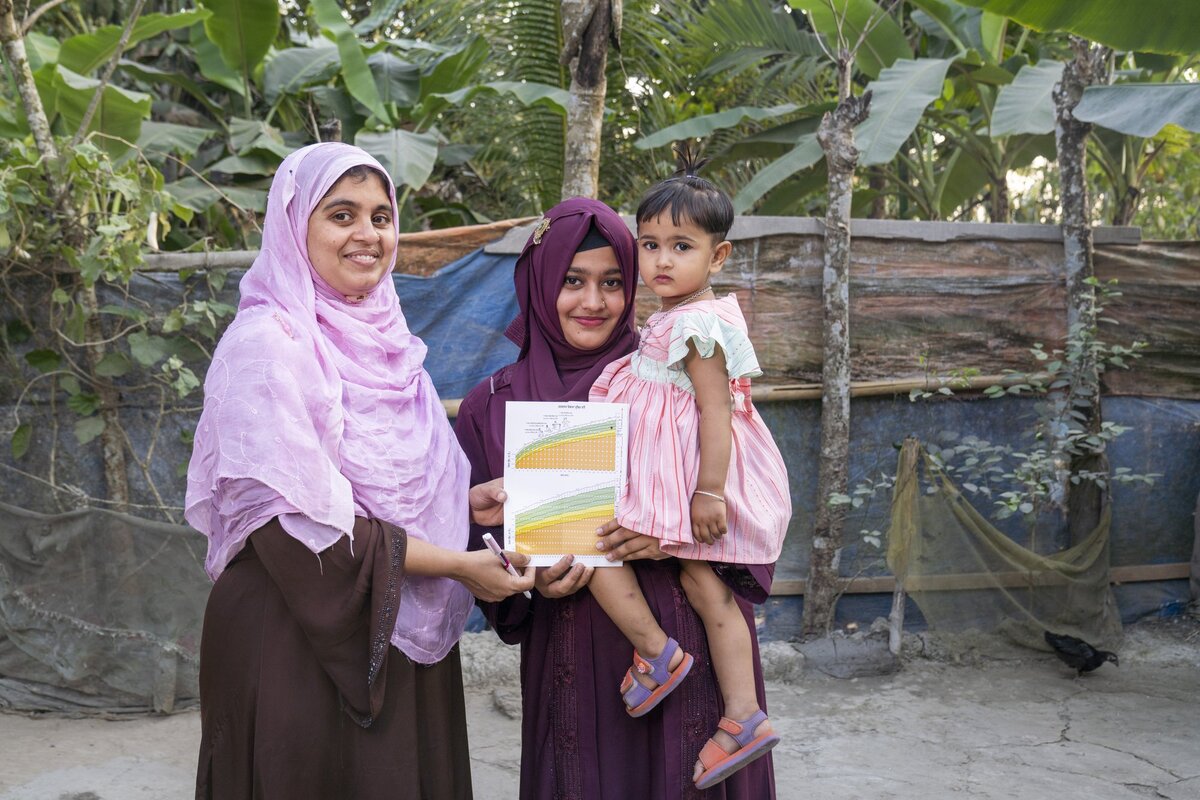
Institutionalising Innovations: Harnessing Public-Private Partnerships for Community-Based Nutrition Service Delivery
Max Foundation is working with the Institute of Public Health Nutrition (IPHN) to develop dedicated Community Nutrition Service Guidelines that anchor its market-based, entrepreneur-led delivery model in national standards.
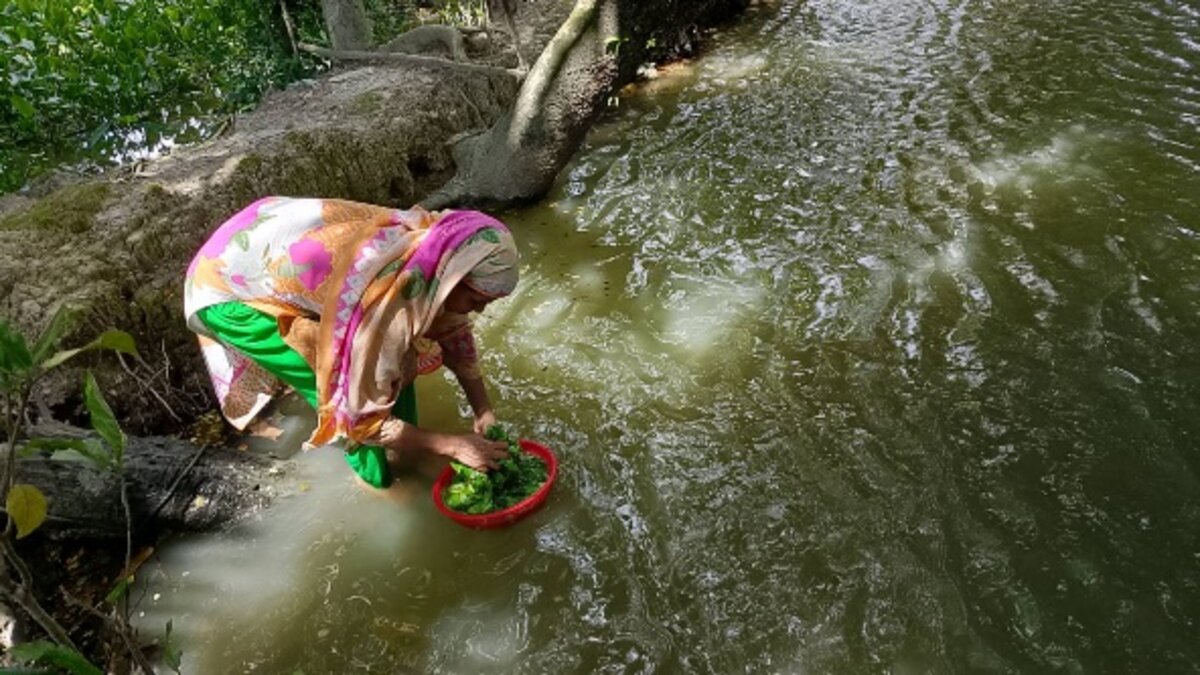
Transforming Lives Through Safe Water: How MSE Is Powering a Rural Bangladeshi Dream
Access to safe and affordable water is not just a basic necessity, it is the foundation of health, dignity, and opportunity. In Bangladesh's rural and coastal regions, Max Social Enterprise (MSE) is working to turn hardship into hope.
Beyond the Blueprint: The Entrepreneurship Lab Is Cultivating a Market Ecosystem for a Healthier Bangladesh
Max Foundation's Entrepreneurship Lab is a dynamic ecosystem designed to bridge the gap between a business idea and a tangible impact, empowering entrepreneurs at every level to build market-driven solutions for Bangladesh's health challenges.